TEst

Beach clean with Clean our Patch

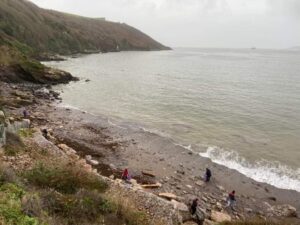
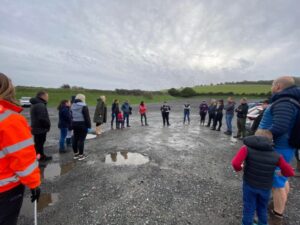
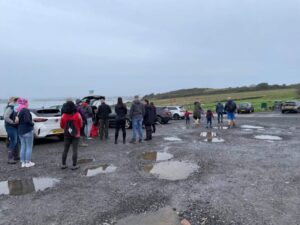
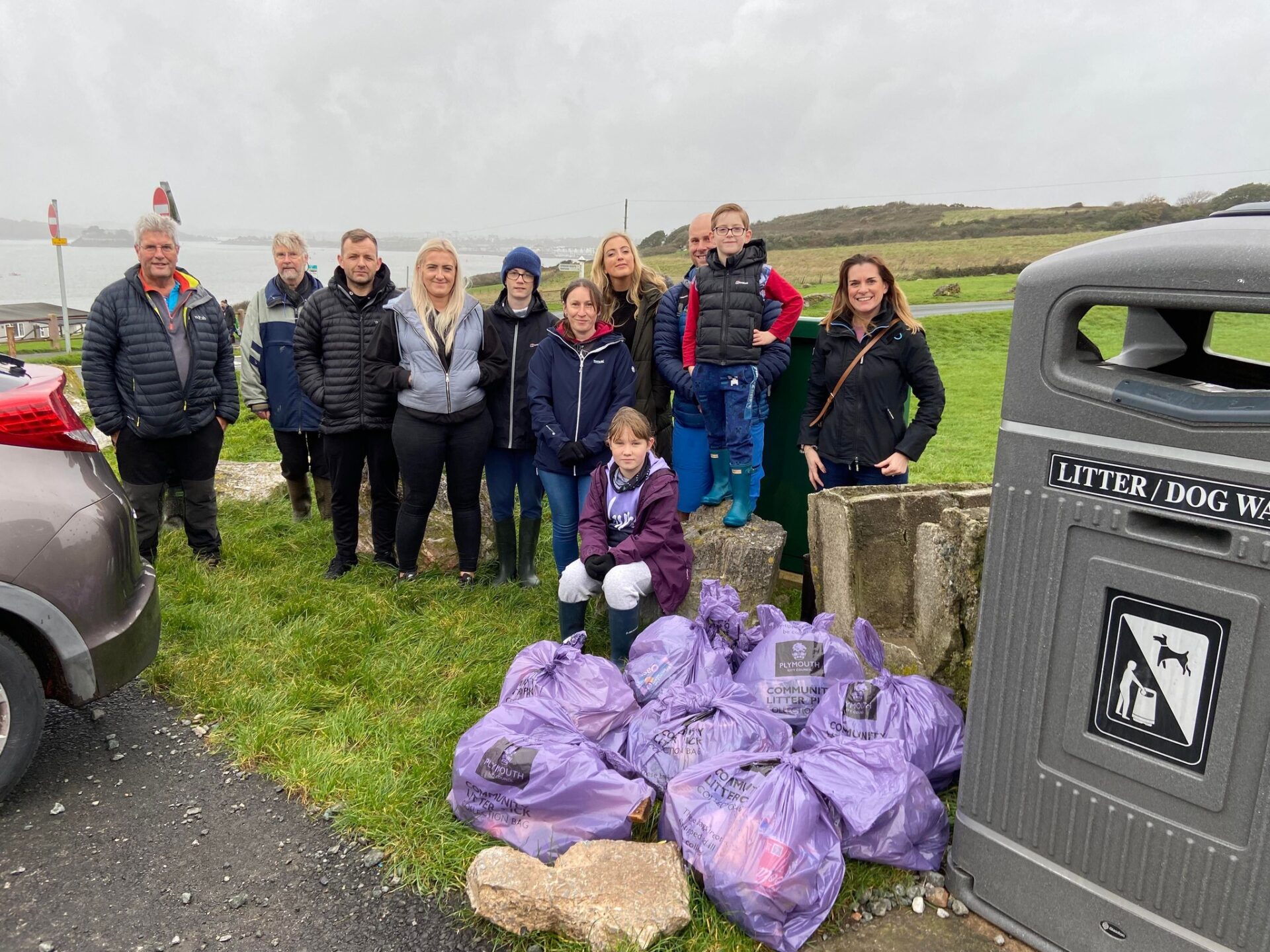
A group of Plessey staff, alongside Clean Our Patch, got together for a beach clean at Jennycliff beach in Plymstock.

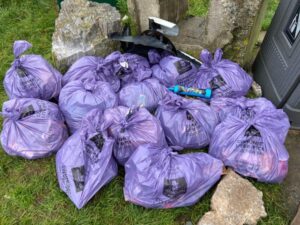
Despite being a grey and chilly Sunday morning, several Plessey staff met up on 27th November to clean Jennycliff beach with Clean Our Patch CIC, a local group that works with a variety of groups and organisations to arrange litter picking efforts. After a quick brief, the group split off around the Jennycliff area to look for any litter they could find. The group collected a total of 14 bags, as well as finding some needles and a large gas canister, which Clean Our Patch volunteers were able to collect safely for disposal.

Thanks to our wonderful volunteers, and we look forward to working with Clean Our Patch again.
Planting crocuses to eradicate polio

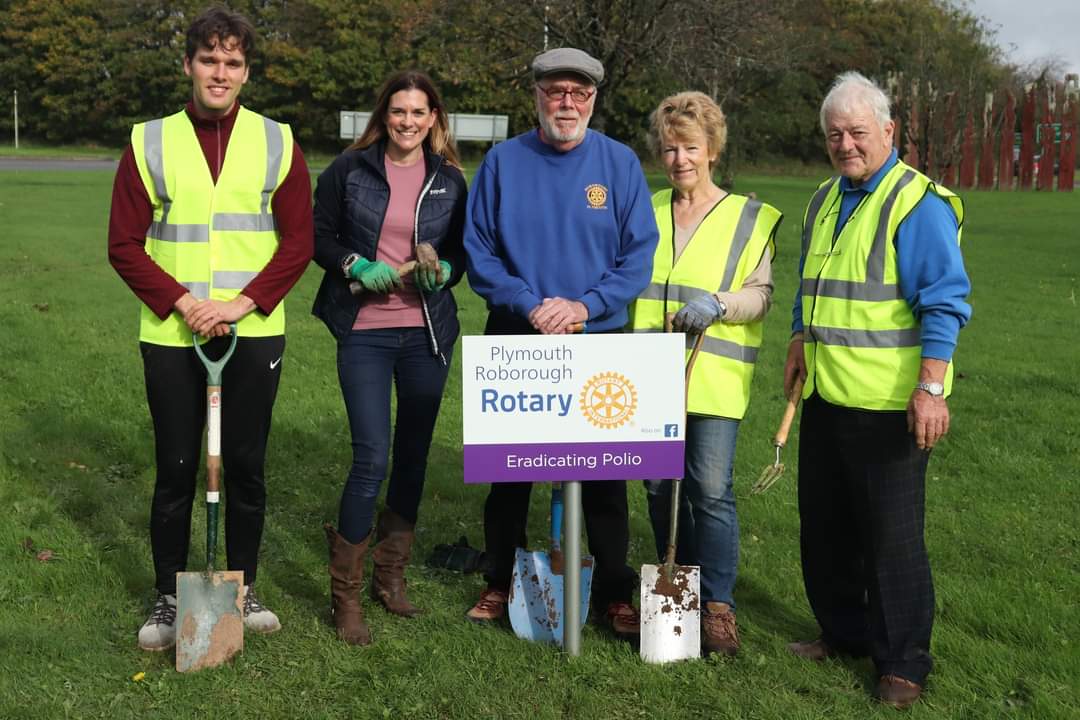
On Sunday 23rd October, Plessey employees and members of the Plymouth Roborough Rotary Club planted purple crocuses to mark World Polio Day.

Since the 1980s, the international Rotary Foundation has worked alongside the WHO to eradicate polio. The Global Polio Eradication Initiative is the largest international public health initiative in history. Whilst vaccinating children against the disease in countries such as India, purple dye was put on their little fingers to keep track of who had the vaccine.

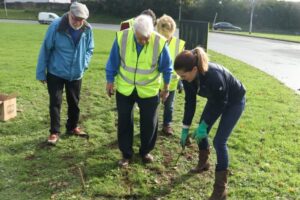
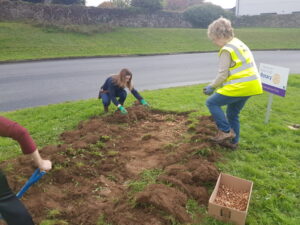
Three Rotary Club members joined Susie Morcom (HR Director) and Ross Geddes (Device Engineer) to plant crocuses on the Plessey Roundabout in Roborough. When they bloom in February, the crocuses will be the same shade of purple as the dye used.

The number of polio-endemic countries has dropped from 125 to just two, with over 2.5 billion children receiving vaccinations thanks to the help of Rotary. Plessey hopes that by contributing to the awareness around the Rotary’s efforts, we can bring the number down to zero and have polio become eradicated by humankind.

Plessey donates spare firefighting equipment to IFRA

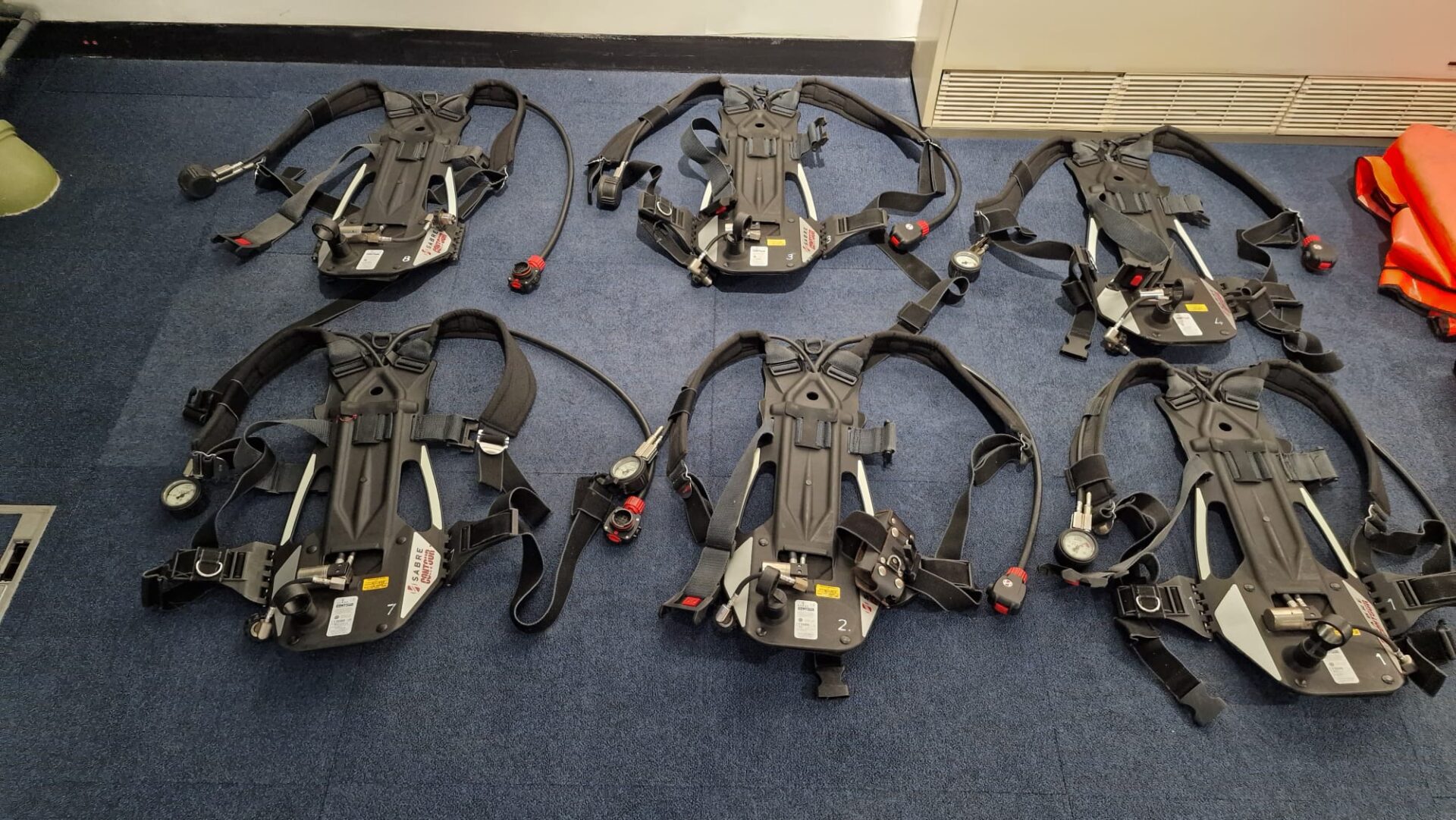
Plessey Semiconductors was thrilled to donate emergency firefighting equipment to the International Fire and Rescue Association (IFRA), who will redistribute the kit to emergency services around the world.

When replacing some of our emergency response team’s equipment, we had spares that were still in great condition. Rather than throw them away, we were directed to IFRA. The association collects equipment that could be used by emergency services throughout the world who cannot provide adequate services themselves. To date, IFRA have sent 107 vehicles, 77 containers, and delivered 72 training missions to 24 countries in total. Donations large or small go a long way to helping provide these important services in the safest way possible.

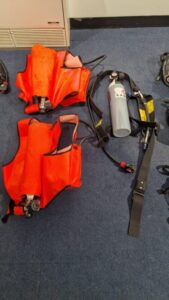
The equipment includes self-contained breathing apparatus (SCBA) sets, emergency life support apparatus (ELSA) cylinders, masks, and filters. These have been sent to IFRA, who will be able to send them to a place most in need of these specific items. We are excited to find out where the equipment gets its second life!